

California districts are in the busiest stretch of the school year. Summer programs are about to begin. Expanded learning teams are finalizing schedules. Business offices are tracking what still needs to be spent. And for many local educational agencies, the June 30 deadline for 2024–25 Expanded Learning Opportunities Program funds is quickly approaching.
If your team is looking for a practical, high-engagement way to use California ELOP funding before the end of the fiscal year, STEM and robotics enrichment can be a strong fit.
Ozobot helps California schools and expanded learning teams bring hands-on STEM, coding, robotics, and age-appropriate AI literacy into after-school, summer, and intersession programs. With ready-to-teach lessons, physical robots, screen-free coding options, Blockly-based programming, and professional learning support, Ozobot gives educators a simple way to launch meaningful enrichment across one school site or an entire district.
What is California ELOP funding?
The California Expanded Learning Opportunities Program, often called ELO-P or ELOP, provides funding for after-school and non-school-day enrichment programs for TK/K–6 students. Funds are apportioned to eligible school districts and charter schools based on prior-year classroom-based TK/K–6 average daily attendance and unduplicated pupil percentage.
The goal is to help districts expand access to learning beyond the regular school day. That can include before-school, after-school, summer, and intersession programming that supports students academically, socially, emotionally, and physically.
For 2025–26, California ELOP funding remains one of the most important expanded learning funding streams in the state, with $4.6 billion available for after-school and non-school-day enrichment programs.
Why May is the right time to build your ELOP STEM plan
At this point in the year, many California districts are asking the same questions:
Can we still use ELOP funds before June 30?
What can we purchase now that will support summer learning?
What STEM enrichment programs are easy to launch?
What coding or robotics curriculum works for TK–6 expanded learning?
How do we support ELOP requirements without overloading staff?
For 2024–25 ELOP funds, the expenditure deadline is June 30, 2026. The final expenditure report is due September 30, 2026. Funds from 2025–26 have a later expenditure deadline of June 30, 2027.
That makes May and June a critical window for districts that still need to purchase materials, plan summer STEM enrichment, or prepare for the next school year.
How Ozobot supports California ELOP programs
ELOP programs need activities that are engaging, accessible, and manageable for educators and expanded learning staff. Ozobot is designed to help students learn by doing, which makes it a natural fit for enrichment settings.
Students can code with colors, solve challenges with physical robots, collaborate with classmates, and move into block-based programming as they build confidence. Teachers and program leaders get structured lessons and flexible activities that work in after-school clubs, summer camps, intersession programs, enrichment rotations, and elementary STEM pathways.
Ozobot can support:
- After-school STEM enrichment
- Summer STEM camps
- Intersession robotics programs
- TK–6 coding activities
- Elementary computer science pathways
- Hands-on robotics clubs
- Screen-free coding for younger learners
- Blockly coding for upper elementary students
- AI literacy exploration for older elementary learners
- Family STEM nights and community engagement events
The best part is that students are not just sitting in front of a screen. They are testing ideas, debugging, collaborating, creating paths, programming robots, and seeing their code come to life.
A strong fit for TK–6 expanded learning
California ELOP is focused on TK/K–6 expanded learning. That makes product fit important.
For younger students, Ozobot Evo helps introduce early coding and computational thinking through screen-free activities. Students can use Color Codes, markers, magnets, and challenge mats to create paths, test cause and effect, and begin understanding the logic behind code.
For upper elementary students, Evo can extend into Ozobot Editor, where students move from simple sequencing into loops, conditionals, variables, and more advanced problem solving.
For districts ready to introduce future-ready concepts, Ari can help bring AI literacy into upper elementary and middle-grade learning environments through hands-on, approachable activities. For ELOP use, Ari is best positioned as part of an age-appropriate STEM and AI literacy pathway for older students, not as a replacement for foundational coding.
Ozobot products well suited for ELOP funding
Every district determines allowability based on its local plan, approved budget, procurement rules, and grant requirements. For districts building ELOP STEM, coding, and robotics programs, the following Ozobot solutions are especially relevant.
Evo Classroom Kits
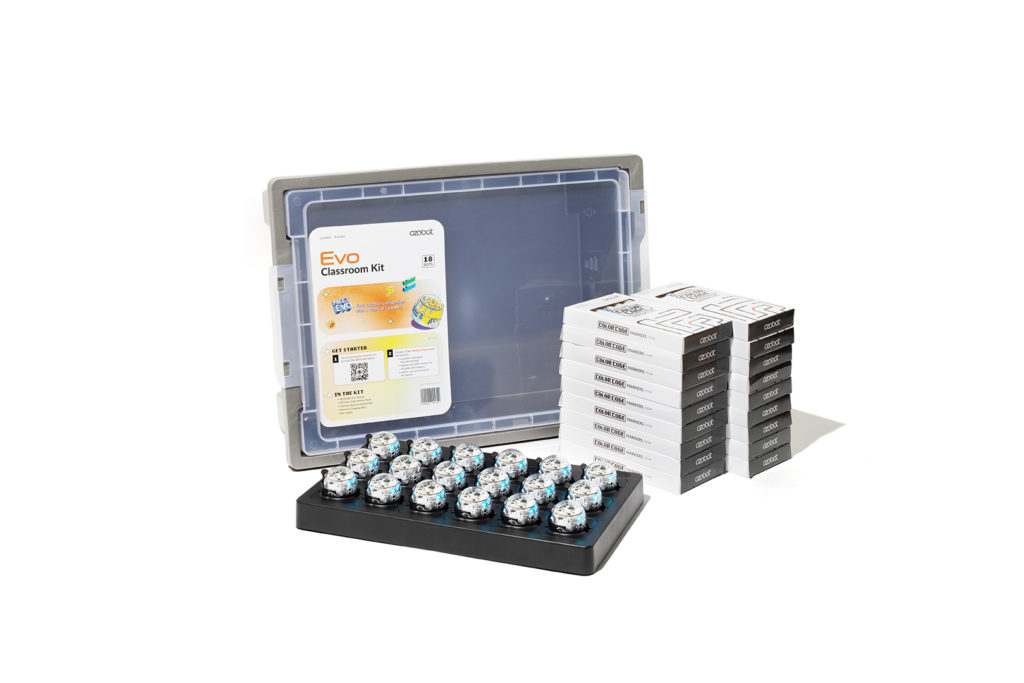
Best for: TK–6 coding, robotics, after-school clubs, summer STEM camps, and site-based expanded learning programs.
Evo gives students a hands-on introduction to coding through both screen-free and screen-based pathways. It is flexible enough for beginners and deep enough for continued skill-building across grade levels.
Ozobot STEAM Kits
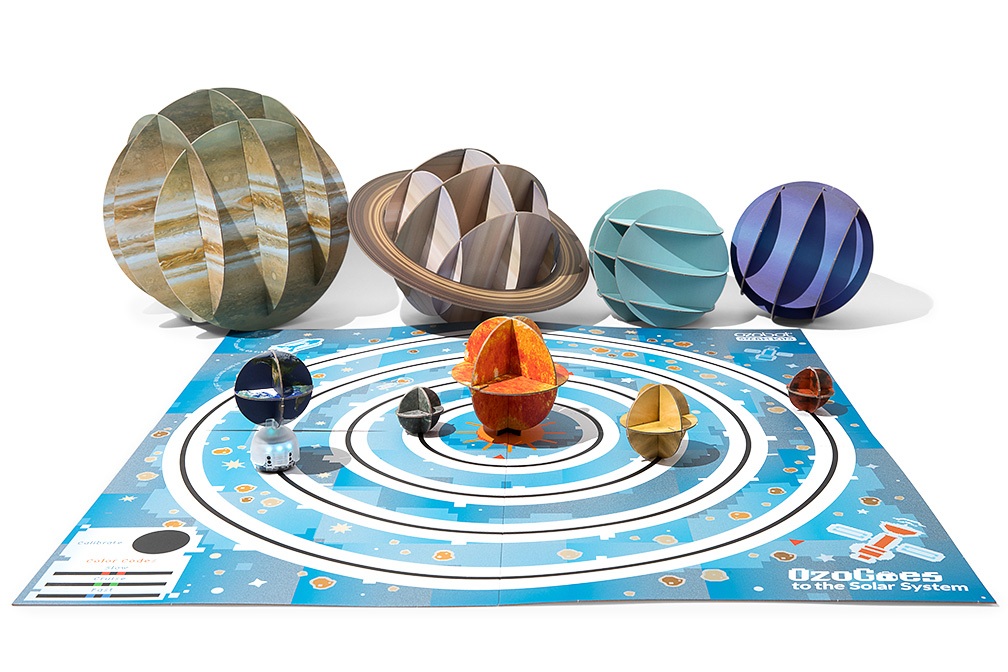
Best for: Structured STEM enrichment, summer learning, and cross-curricular expanded learning rotations.
STEAM Kits help educators connect coding and robotics to science, math, engineering, creativity, and problem solving. They are especially useful when programs need ready-to-use activities that feel fun, not like extra worksheets.
Color Code Magnets

Best for: Screen-free coding, early elementary learners, small groups, and low-prep enrichment stations.
Color Code Magnets make it easy for students to build, test, and revise code without needing a device. They are a strong fit for TK–2 and for programs that want a playful, tactile way to introduce coding.
Challenge Mats

Best for: Hands-on problem solving, collaborative stations, robotics challenges, and after-school rotations.
Challenge Mats help students apply coding concepts in a visible, physical way. They work well when expanded learning staff need activities that are structured but still open-ended.
Ari

Best for: Upper elementary and middle-grade AI literacy exploration, computer science enrichment, and future-ready STEM programming.
For districts looking beyond basic coding, Ari can help introduce students to the ideas behind AI, automation, and intelligent systems in a way that feels tangible and student-friendly.
ELOP implementation ideas for California schools
If your district needs a fast, fundable, and practical expanded learning model, Ozobot can be organized in several ways.
1. Six-week after-school robotics club
A simple model for schools that want to start quickly. Students meet once or twice a week to learn coding basics, complete robotics challenges, and work toward a final project. Younger students can use screen-free Color Codes, while older students can build programs in Ozobot Editor.
Suggested fit: Evo Classroom Kits, Color Code Magnets, Challenge Mats, STEAM Kits
2. Thirty-day summer STEM camp
A strong option for districts preparing for summer learning. Each week can focus on a different theme, such as coding basics, engineering design, space, storytelling, problem solving, or robotics challenges. Students build skills over time while staying active, creative, and collaborative.
Suggested fit: Evo Classroom Kits, STEAM Kits, Challenge Mats, Ari for older students
3. TK–6 STEM enrichment rotation
A practical model for districts serving multiple schools or grade bands. Ozobot activities can rotate by site, grade level, or program group. This helps districts stretch materials across multiple expanded learning settings while giving students consistent access to STEM.
Suggested fit: Evo Classroom Kits, Color Code Magnets, STEAM Kits
4. Screen-free coding for early learners
A developmentally appropriate model for TK–2. Students use colors, paths, magnets, and physical robots to explore sequencing, patterns, logic, and problem solving. It feels like play, but it builds the foundation for computational thinking.
Suggested fit: Evo, Color Code Magnets, Challenge Mats
5. Upper elementary robotics and AI literacy pathway
A future-ready model for grades 3–6. Students move from visual coding to applied robotics challenges, then begin exploring how technology can sense, respond, and make decisions. This model can help districts connect coding, robotics, and AI literacy in a thoughtful progression.
Suggested fit: Evo Classroom Kits, Ozobot Blockly, Ari, STEAM Kits
Why hands-on STEM works well in expanded learning
Expanded learning is different from the regular school day. Students need activities that invite curiosity, movement, creativity, and collaboration. Staff need lessons that are structured enough to run smoothly but flexible enough to work across mixed groups.
That is where robotics can help.
With Ozobot, students can see what their code does right away. If the robot does not follow the path or complete the challenge, students revise, test, and try again. That process builds persistence, problem solving, and confidence.
It also gives educators a clear way to support STEM learning without turning expanded learning time into more seatwork.
Ready to build your California ELOP STEM program?
Whether you are planning a summer STEM camp, launching an after-school robotics club, or building a TK–6 coding pathway for expanded learning, Ozobot can help your team move from funding to implementation.
Our team can help you choose the right products, build a program model, prepare quote language, and support a fast procurement timeline before the June 30 deadline for applicable funds.